What is an Auto Belt Tensioner and Why is it Important?
An Auto Belt Tensioner is a crucial component in modern vehicles. It maintains the correct tension in the engine's drive belts, ensuring optimal performance and longevity. According to Dr. James Carter, a renowned automotive engineer, "The auto belt tensioner is vital for preventing premature wear of belts and associated components."
Proper functioning of the auto belt tensioner contributes to the overall efficiency of the engine. If worn out, it can lead to a variety of problems. These may include belt slippage, increased engine noise, and compromised power steering. Such issues can arise unexpectedly, catching many drivers off guard.
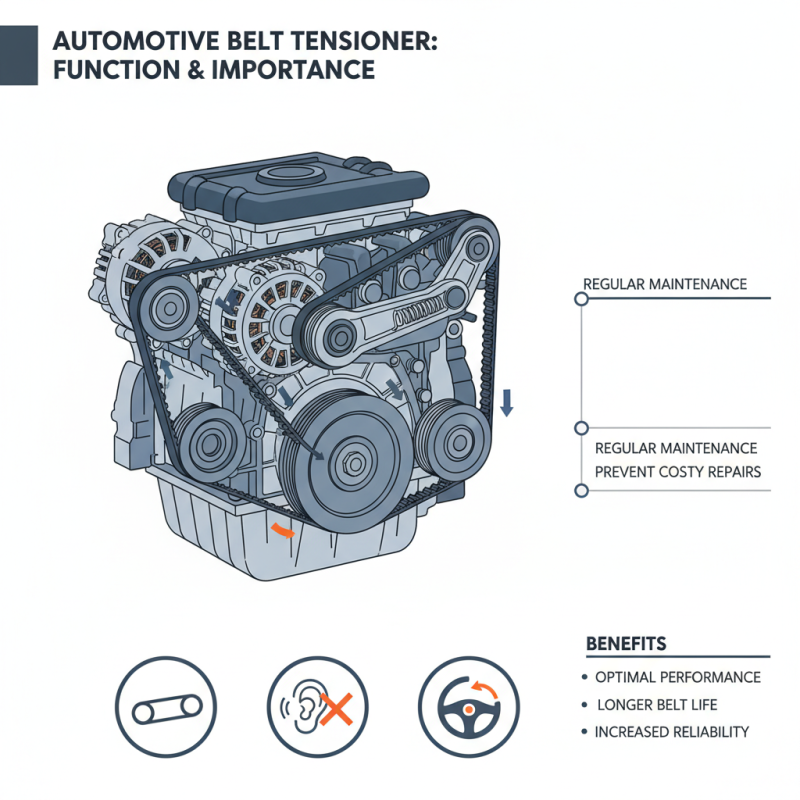
Understanding the importance of the auto belt tensioner can enhance vehicle reliability. Regular maintenance and timely replacement can prevent costly repairs down the line. Although many people overlook this component, its role is undeniable. Drivers should prioritize checking their belt tensioners to ensure safe and smooth operation. This is an area of automotive health that merits attention.
What is an Auto Belt Tensioner?
An auto belt tensioner plays a critical role in ensuring the proper functioning of a vehicle's engine. It is a device that maintains the right tension on the serpentine belt, which powers essential components like the alternator, air conditioning compressor, and power steering pump. By keeping the belt taut, the tensioner helps prevent slippage and drive system failures, which can be costly to repair.
Research indicates that over 30% of vehicle breakdowns can be attributed to belt and tensioner issues. Factors such as wear and tear, environmental exposure, and improper installation contribute to these problems. The industry suggests that regular inspection of the belt tensioner can extend the lifespan of the serpentine belt by up to 50%. This highlights the importance of not only understanding what an auto belt tensioner is but also recognizing its impact on overall vehicle reliability.
In real-world situations, tensioners can fail silently, leading to unexpected breakdowns. Mechanics often note that drivers may ignore signs like noise or vibrations until it’s too late. Investing time in maintenance can mitigate sudden issues. Regular checks, ideally every 60,000 miles, allow for timely replacements. Drivers should prioritize these components to enhance safety and performance on the road.
The Functionality of an Auto Belt Tensioner Explained
An auto belt tensioner is a vital component in the engine system. It helps maintain the correct tension on the serpentine belt. This ensures the belt operates smoothly without slipping. The tensioner automatically adjusts as the belt stretches or wears over time. Proper tension is crucial for optimal performance.
Without the right tension, the engine can face several problems. A loose belt may lead to power loss in critical systems like the alternator or water pump. Excessive wear on the belt can cause it to snap. This could lead to engine overheating and costly repairs. Regular checks of the tensioner can prevent these issues.
The design of an auto belt tensioner often includes a spring-loaded mechanism. It automatically adapts to changes in belt length. However, tensioners can wear out. Signs of wear may include unusual noises or belt slipping. If neglected, this small part can lead to larger engine troubles. Regular maintenance checks are key to ensuring longevity and reliability in your vehicle's performance. It’s important to stay proactive about these components.
Importance of Proper Tension in Automotive Belts
Automotive belts play a crucial role in the smooth operation of engines. Maintaining proper tension in these belts is essential. If a belt is too loose, it can slip or fail to engage properly with pulleys. This might cause severe engine damage or result in malfunctioning accessories. On the contrary, if a belt is too tight, it can lead to accelerated wear. Over time, this may necessitate costly repairs or replacements.
An auto belt tensioner is the component that ensures optimal tension in these belts. It automatically adjusts the tightness, compensating for wear over time. Regular maintenance checks are necessary to catch issues early. Drivers should be vigilant and listen for unusual noises, which often signify problems.
Ignoring belt tension can lead to multiple issues. On crowded highways, a sudden failure can be hazardous. It's vital to understand the importance of this component. Regular inspections and awareness can prevent unforeseen troubles. A little proactive care can save you from significant headaches down the road.
Signs of a Failing Auto Belt Tensioner
The auto belt tensioner plays a crucial role in your vehicle's performance. It maintains the correct tension on the serpentine belt, which powers essential components like the alternator and water pump. When this component fails, several signs can indicate it is time for a replacement.
Drivers may notice squeaking or squealing noises coming from the engine. This sound can indicate that the belt is loose due to a failing tensioner. According to industry reports, a compromised tensioner can also lead to uneven wear on the belt itself, potentially causing it to snap. The average lifespan of a belt tensioner is around 50,000 to 100,000 miles. Regular inspections are essential, as a worn tensioner may not provide adequate support, leading to more extensive engine problems.
Another symptom of a failing tensioner is belt slippage. If the tensioner isn't functioning correctly, the belt may slide off the pulleys. This condition can drastically affect the performance of your vehicle and lead to overheating. A notable study found that over 30% of breakdowns related to accessory drive systems stem from malfunctioning tensioners. Keeping an eye out for these signs can save you from more significant repair costs in the long run.
Importance of Auto Belt Tensioner
The auto belt tensioner is crucial for maintaining proper tension on the serpentine belt, which ensures optimal performance of engine accessories. A failing tensioner can lead to significant performance drops, as illustrated in the chart. As the tensioner wears down, the performance rating diminishes, emphasizing the importance of timely inspections and replacements.
Maintenance and Replacement of Auto Belt Tensioners
Auto belt tensioners play a critical role in vehicle performance. They ensure that serpentine belts maintain proper tension. A well-functioning tensioner supports efficient engine operation. If not maintained, tensioners can fail, leading to belt slippage or breakage. This can result in costly repairs and extended downtime.
Regular maintenance of auto belt tensioners is essential. According to a report by the Automotive Maintenance and Repair Association (AMRA), nearly 30% of vehicle breakdowns are related to belt issues. Mechanics recommend inspecting tensioners every 30,000 to 70,000 miles. Signs of wear may include unusual noises during operation. It’s wise to replace a tensioner when servicing the associated belts.
Delaying replacement might save money initially, but it could lead to bigger problems. A faulty tensioner can strain the alternator, water pump, and other components. Ensuring proper tension is paramount for longevity and performance. Ignoring maintenance signals can be regrettable. A proactive approach helps maintain vehicle integrity and efficiency.