
How to Choose Arc Shape Multi Wire Saw for Efficient Cutting?
Choosing the right Arc Shape Multi Wire Saw can significantly enhance cutting efficiency. According to Dr. James Huang, a leading expert in precision machining, “The shape of the wire saw directly impacts the quality of the cut.” His insight underscores the importance of understanding the key features of these saws.
Arc Shape Multi Wire Saw offers unique advantages. Its design allows for smoother cuts and improved versatility. For example, in the solar panel industry, the arc shape helps minimize material loss. However, not every saw fits every project. Careful consideration of material type and cutting requirements is essential.
Investing in a high-quality Arc Shape Multi Wire Saw can seem daunting. Many options are available, each with its specifications. It’s important to weigh these options thoughtfully. A mismatch can lead to costly mistakes. Always seek expert advice when uncertain about your choice. Ultimately, being informed leads to better results.
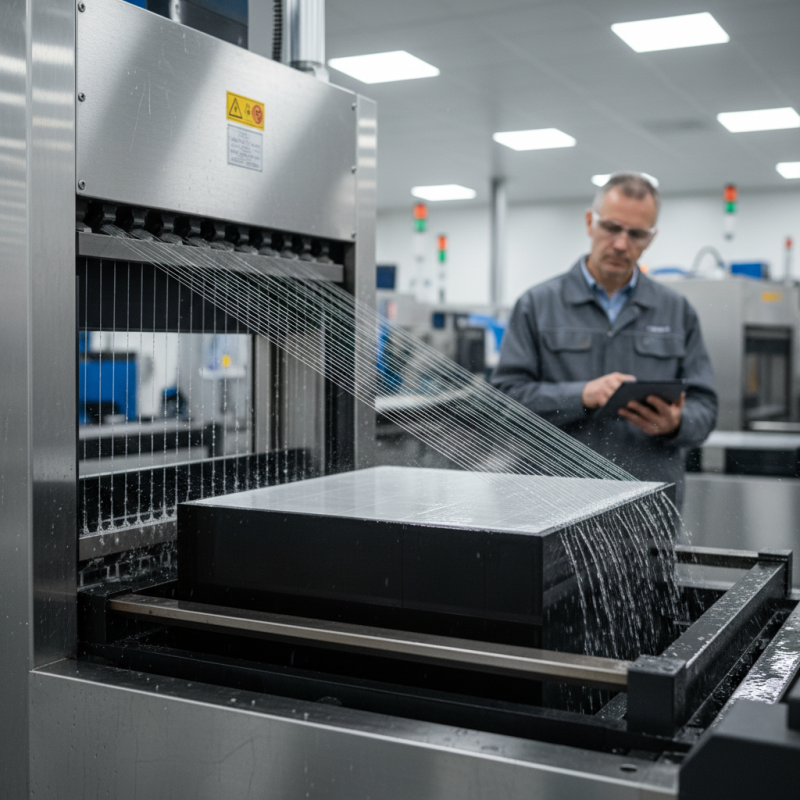
Factors to Consider in Choosing an Arc Shape Multi Wire Saw for Cutting
Choosing the right arc shape multi wire saw is crucial for efficient cutting. Different applications demand varying features. Consider the thickness of the materials you intend to cut. Thicker materials may require saws with more wires or specific arc shapes while thinner materials might need flexibility. Each scenario presents different challenges.
The saw's wire material also plays a significant role. For instance, stronger materials can enhance durability and reduce wear. Wire tension is another key factor. Proper tension ensures smooth operation and minimizes vibrations during cutting. Additionally, check the maximum cutting speed. A higher speed may allow for quicker cuts but can also lead to errors if not managed carefully.
Keep in mind the saw's ease of use. Ergonomics and weight can affect overall efficiency. Choosing a heavy saw might lead to fatigue over time. Reflect on these aspects before making a decision. Testing various saws can provide valuable insights into their performance. Sometimes, the best choice may not be the most advanced model, but the one that fits your specific needs.
Understanding the Technical Specifications of Arc Shape Multi Wire Saws
When selecting an arc shape multi wire saw, understanding its technical specifications is crucial. These saws are designed for cutting materials like stone, glass, or silicon. Their efficiency is largely defined by the quality of the wires, the tension system, and the control mechanisms. High tensile strength wires ensure a cleaner cut. Adjustable tension is vital for achieving the desired precision.
Another important aspect is the saw’s performance metrics. Look for the cutting speed and the thickness capacity. These factors determine how quickly and efficiently you can complete projects. For example, a slower cutting speed may enhance precision but can prolong the process. The machine's power rating is also significant; higher power means better performance under heavy loads.
Despite these points, challenges still arise. Users often encounter wear and tear on wires. Regular maintenance is necessary to ensure peak performance. Also, the setup might require adjustments based on the material being cut. This trial-and-error approach can be frustrating but is essential for mastering the equipment. Balancing efficiency with precision often requires experience and careful observation.
Arc Shape Multi Wire Saw Cutting Performance Analysis
The Impact of Wire Diameter on Cutting Efficiency and Precision
Choosing the right arc shape multi-wire saw greatly influences cutting efficiency. A key factor is wire diameter. A thicker wire can handle higher loads, which can enhance cutting speed. However, it may compromise precision. In contrast, a thinner wire often offers better accuracy. This leads to cleaner edges and more intricate cuts.
Balancing these factors is essential. A thick wire will not always be the best choice for detailed work. You might end up with rough edges, requiring additional finishing. Thus, the decision should reflect the job's specific requirements. The right wire diameter can vary based on material and desired outcome.
Diverse applications demand diverse approaches. Experimenting with different diameters may yield surprising results. While standard guidelines exist, each project is unique. Sometimes, the best choice does not align with expectations. Such is the nature of precision cutting in this field. It often requires reflection and adjustment to achieve the finest results.
How to Choose Arc Shape Multi Wire Saw for Efficient Cutting? - The Impact of Wire Diameter on Cutting Efficiency and Precision
| Wire Diameter (mm) | Cutting Speed (m/s) | Cutting Efficiency (%) | Precision (mm) | Material Type |
|---|---|---|---|---|
| 0.2 | 8 | 85 | 0.05 | Silicon Carbide |
| 0.3 | 7.5 | 82 | 0.05 | Alumina |
| 0.4 | 7 | 78 | 0.08 | Glass |
| 0.5 | 6.5 | 75 | 0.10 | Ceramic |
Material Compatibility: Matching Arc Shape Saws with Different Materials
When selecting an arc shape multi-wire saw, material compatibility is crucial. Different materials require tailored approaches. For instance, cutting soft materials often allows for higher wire speeds. In contrast, harder materials demand slower speeds to avoid wire breakage.
Consider the hardness of the material. Each type presents unique challenges. For instance, cutting through quartz or granite needs a robust and reliable saw design. A softer material like marble may benefit from a thinner wire to minimize waste. Experienced operators know that incorrect match-ups lead to inefficient cutting and reduced wire life.
Tips: Always test different wire settings on a sample piece. This approach minimizes material loss and maximizes efficiency. Also, keep in mind that not all saws handle mixed materials well. Inconsistencies in material hardness can lead to uneven cuts, reflecting the need for careful planning. Adjust settings as you learn from each attempt. Striving for precision can significantly enhance your cutting projects.
Analyzing Cost-Effectiveness and Return on Investment for Multi Wire Saws
When selecting an arc shape multi wire saw, cost-effectiveness is crucial. These machines can be a significant investment. Evaluating the return on investment (ROI) involves analyzing both upfront costs and long-term benefits. Factors such as energy consumption, maintenance, and operational efficiency play a key role in your assessment.
Tips: Always analyze how much energy the saw will consume compared to conventional options. Energy-efficient models may have higher initial costs but save money over time. Also, consider maintenance requirements. Machines requiring frequent repairs can lead to hidden costs, impacting ROI.
Balancing speed and quality is essential. A faster cutting process doesn’t always mean better value. Slower machines may produce cleaner cuts, reducing the need for additional finishing work. It's worth reflecting on whether rapid output translates to profit in your specific situation. Operational workflows should also align with your business demands. Analyzing these aspects can lead to more informed decisions and ultimately better investment outcomes.