2026 Top Stainless Steel Keel Features and Benefits Explained?
In the realm of marine construction, the importance of the stainless steel keel cannot be overstated. A leading expert in the field, Dr. Michael Greene, asserts, “The strength and durability of stainless steel keels are unmatched, making them essential for modern vessels.” This introduction explores the key features and benefits of stainless steel keels set to dominate the market in 2026.
stainless steel keels offer superior resistance to corrosion. Their longevity is a game-changer for boat builders. These keels provide enhanced stability and safety on the water. However, it’s crucial to recognize that not all stainless steel grades are equal. Some may not withstand harsh marine conditions over time.
Moreover, while stainless steel keels stand out for their durability, they can also be more expensive than alternatives. The balance between cost and performance often sparks debate among ship builders. Reflecting on these points is vital for future innovations in marine design. The quest for the perfect keel design continues, challenging industry standards and encouraging advancements.
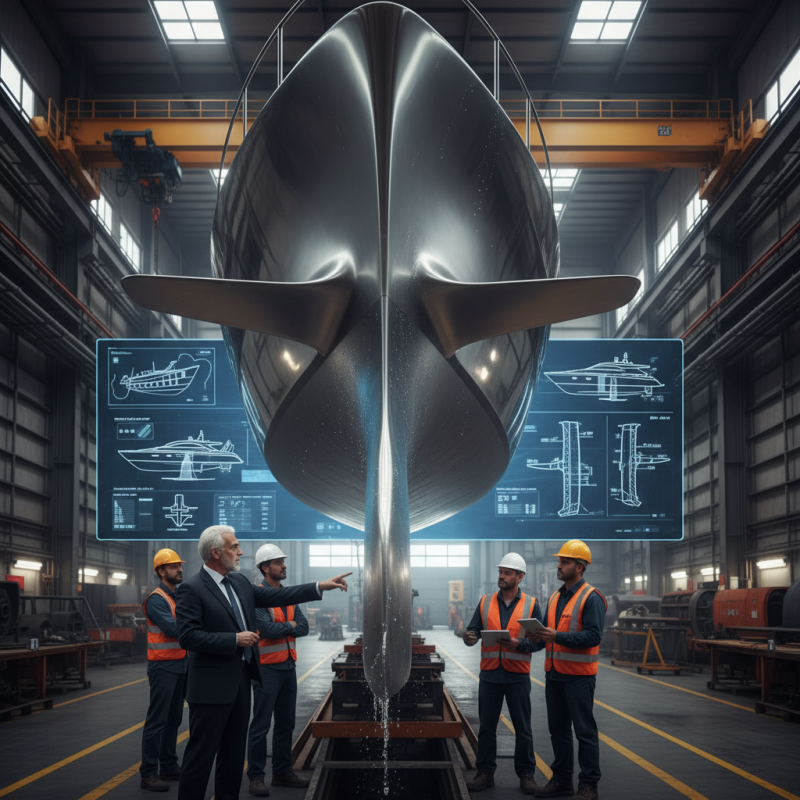
Top Features of 2026 Stainless Steel Keels
When it comes to the innovative designs of stainless steel keels in 2026, several key features stand out. The first is durability. Stainless steel is resistant to rust and corrosion, making it ideal for marine applications. This material can withstand harsh environments. It promises a longer lifespan than other materials that degrade quicker.
Another notable feature is the improved hydrodynamic shape. These keels are designed to enhance the performance of vessels. By reducing drag, they optimize speed and efficiency on the water. This translates to better fuel economy and a smoother ride. However, some users may find the initial cost of these keels to be high. This investment, while steep, can lead to significant long-term savings.
Weight distribution is also an important aspect. Stainless steel keels often have a low center of gravity. This improves stability, especially in rough conditions. Yet, there are trade-offs. As the weight increases, towing can become more challenging. Users might need to reevaluate their overall boat design and towing capacities.
2026 Top Stainless Steel Keel Features and Benefits Explained
| Feature | Description | Benefit |
| Corrosion Resistance | Highly resistant to rust and corrosion. | Increases longevity and reduces maintenance costs. |
| Durability | Can withstand high impact and harsh conditions. | Ensures reliable performance over time. |
| Lightweight Design | Constructed to be lightweight without sacrificing strength. | Enhances vessel speed and efficiency. |
| Ease of Maintenance | Smooth surface finish makes cleaning easy. | Saves time and labor for upkeep. |
| Eco-Friendly | Recyclable material with less environmental impact. | Contributes to sustainable practices in marine industries. |
Benefits of Using Stainless Steel in Keel Construction
Stainless steel is a popular choice for keel construction in marine applications. Its strength and durability are unmatched. This metal can withstand harsh marine environments. It resists corrosion, which is a common problem for boats. The longevity of stainless steel means fewer replacements over time. Many builders appreciate this aspect.
Using stainless steel in keels also enhances the stability of the vessel. A well-constructed keel improves handling during rough waters. However, the initial cost may be higher than other materials. It’s important to weigh this against the long-term benefits. Some might worry about maintaining stainless steel, but routine care is usually enough.
One drawback is that stainless steel can be heavier compared to alternatives. This might affect the boat’s speed and performance. Some builders may need to adjust design parameters accordingly. Ultimately, the choice of material can be critical. It's essential to consider all factors before deciding. There is no perfect solution, and every material has its advantages and challenges.
Comparative Analysis: Stainless Steel vs. Other Materials
When comparing stainless steel to other materials in keel construction, several key factors emerge. Stainless steel offers excellent corrosion resistance. This makes it well-suited for marine environments. Traditional materials like aluminum may corrode more easily. However, they can be lighter, which benefits some applications. The choice often comes down to specific project requirements.
Stainless steel has a higher tensile strength. This means keels can be thinner without compromising structural integrity. In contrast, fiberglass may offer good strength, but it can be less durable over time. Maintenance is also a consideration. Stainless steel requires cleaning, but it usually lasts longer than painted or coated surfaces. Some users prefer the easier upkeep of aluminum or fiberglass, but they might face more frequent repairs.
Ultimately, the choice depends on individual needs. Budget constraints can also sway decisions. While stainless steel has a higher upfront cost, its longevity can offer better value over time. Each material has its pros and cons. Reflecting on these options is crucial for effective decision-making.
Understanding Corrosion Resistance in Stainless Steel Keels
Stainless steel keels are gaining popularity in marine construction. One of their standout features is corrosion resistance. Corrosion can severely affect the longevity of marine structures. Stainless steel, particularly, offers a robust defense against saltwater and other harsh environments.
However, not all stainless steel is created equal. Different grades exhibit varying levels of resistance. Some may corrode over time, despite being stainless. It's essential to choose the right grade for your specific conditions. Regular maintenance is also crucial. Without it, even the best materials can falter.
Another aspect to consider is cost. High-quality stainless steel can be expensive, but durability often justifies the price. Poor choices can lead to significant repair costs later. This is a reminder that value isn't just about the initial investment. It’s about long-term performance and safety in marine environments.
Future Trends in Stainless Steel Keel Design and Manufacturing
As we look towards the future, the design and manufacturing of stainless steel keels is set to evolve significantly. Current trends indicate a shift towards more sustainable practices. Manufacturers are focusing on reducing waste and utilizing recycled materials. This approach not only benefits the environment but also offers cost advantages.
Additionally, advancements in technology play a crucial role. Innovations in welding techniques enhance the durability and strength of keels. This can potentially lead to lighter designs without compromising structural integrity. However, there are challenges. Not all techniques are widely adopted yet, which causes inconsistency in quality.
Moreover, the aesthetics of stainless steel keels are also being reimagined. Customization options may become more prevalent, allowing for unique designs. However, this personalization may drive costs up. As we embrace these emerging trends, the key will be balancing innovation with practicality.
2026 Top Stainless Steel Keel Features and Benefits
This bar chart illustrates the key features and benefits of stainless steel keels expected in 2026. The scores reflect the anticipated importance of each feature, highlighting areas such as corrosion resistance and strength which are highly valued in keel design and manufacturing.