
2026 Top Explosion Proof LED Floodlights for Buyers

In hazardous industrial settings, lighting is not a decorative choice. It is part of the equipment workers rely on to see valves, walkways, loading bays, and maintenance points. The International Labour Organization’s 2023 report, A Call for Safer and Healthier Working Environments, estimates nearly three million work-related deaths and 395 million non-fatal work injuries worldwide each year. These figures cover many causes, not lighting alone. Still, they underline why dependable visibility and careful equipment selection matter.

For buyers comparing a 2026 explosion-proof led floodlight, the product name is only a starting point. Check the certification and hazardous-area marking against the actual site classification. Review ingress protection, temperature limits, beam distribution, mounting options, and driver performance. A bright beam can still leave deep shadows behind pipework. A rugged housing can still be the wrong fit for a corrosive washdown area. Small details matter.

This guide looks at what buyers should verify before choosing a model, from optical performance to installation needs and long-term maintenance. IEC 60079 standards provide an important framework for equipment used in explosive atmospheres, but requirements vary by location and application. Confirm suitability with qualified site personnel and the relevant certification documents. Do not rely on marketing language alone. A label is not enough. Even a well-documented specification can miss a site-specific issue, so the final choice deserves a second look.
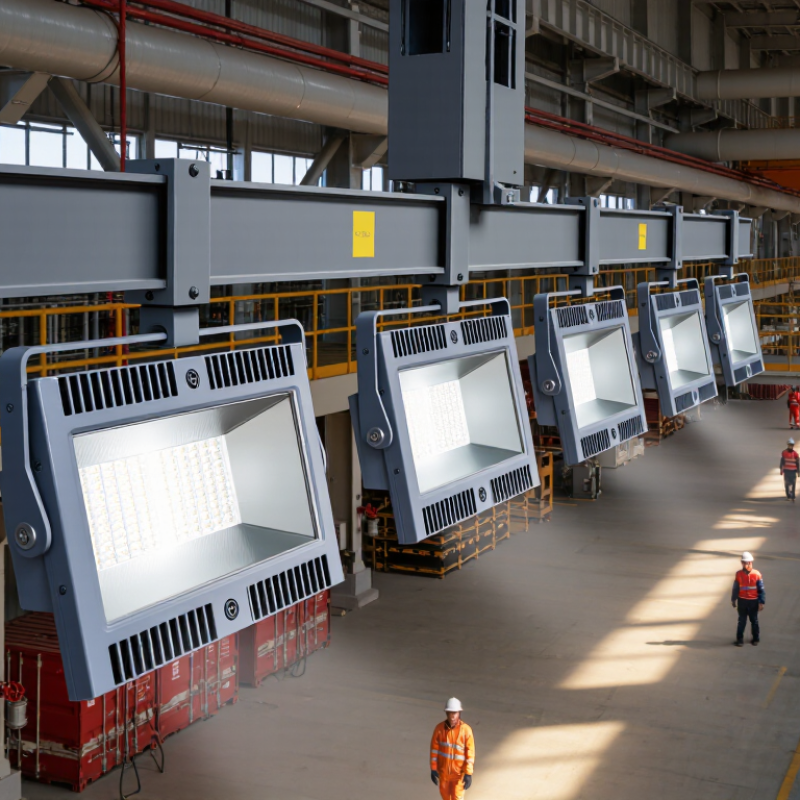
2026 Top Explosion Proof LED Floodlights for Buyers

What Explosion-Proof LED Floodlights Are and Where They Are Used

Explosion-proof LED floodlights are industrial luminaires designed for locations where flammable gases, vapors, or combustible dust may be present. In common flameproof designs, a strong enclosure contains an internal ignition, while carefully engineered joints cool escaping gases before they reach the surrounding atmosphere. The protection method depends on the product. The label alone is not enough.

These lights are used in fuel processing areas, chemical plants, paint rooms, and some grain or dust-handling facilities. A floodlight can illuminate a loading bay, pipe rack, or maintenance walkway from a fixed mounting point. Workers need clear visibility around valves, platforms, and equipment. Dusty or damp conditions also make enclosure sealing and corrosion resistance important. Not every site is alike.

Buyers should match the luminaire’s certification to the area’s gas or dust classification, temperature limits, and installation requirements. Check beam spread, mounting height, ambient temperature, and maintenance access before choosing a model. A wide beam may reduce dark patches, but it can also create glare on shiny pipework. That detail is easy to miss. Site conditions change, too, so a product suitable for one zone may not be appropriate nearby. Review the area assessment and product documentation with a qualified safety professional.

How Hazardous-Area Classifications and Certifications Affect Selection

2026 Top Explosion Proof LED Floodlights for Buyers

How Hazardous-Area Classifications and Certifications Affect Selection

A floodlight’s suitability starts with the area classification, not its wattage. In North American systems, locations are grouped by Class, Division, and Group; IEC-based systems commonly use Zones and gas or dust groups. These designations describe the hazard and how often an explosive atmosphere may be present.

Match the fixture’s approval to the site documents, including the gas group and temperature class. A cool-running LED is not automatically safe. Nor does a high IP rating prove explosion protection.

The consequences of poor hazard controls are real. The U.S. Chemical Safety and Hazard Investigation Board’s 2006 Combustible Dust Hazard Study recorded 281 fires and explosions, 119 deaths, and 718 injuries from 1980 to 2005.

That report concerns dust incidents, not floodlight failures, but it shows why dust classification deserves attention. Check that certification covers the complete luminaire and its intended mounting, wiring, and ambient temperature. Then confirm local requirements with a qualified hazardous-area professional.

Small details matter. Site drawings can be outdated, and I would not treat a catalog label as a substitute for field verification.

Which Performance Specifications Matter Most to Buyers in 2026

For buyers comparing explosion-proof LED floodlights in 2026, start with documentation, not appearance. Confirm the hazardous-area marking matches the installation’s actual classification and conditions. A fixture’s temperature rating, ambient-temperature range, and mounting limits all matter. Do not infer suitability from a product photo. Ask for current test reports and installation instructions. That paper trail matters.

Next, compare usable light, not just headline lumens. Check beam angle, mounting height, and light distribution against the area’s layout. For a loading bay, broad, even coverage can reduce dark gaps around doors and equipment. Review efficacy and power draw together; a high lumen figure alone can mislead. Check thermal performance, corrosion resistance, and ingress protection for the site’s dust, moisture, and cleaning conditions. Confirm that the driver and controls suit the expected operating pattern. One detail is easy to overlook: maintenance access. A durable fitting still creates downtime if inspection or replacement requires awkward access. I may be giving serviceability extra weight, but it often shapes real operating costs.

How to Compare Explosion-Proof Floodlight Designs and Features

2026 Top Explosion Proof LED Floodlights for Buyers

Comparing explosion-proof floodlights starts with the site, not the wattage. Check the hazardous-area classification and equipment marking against the exact location. A fixture suitable for one zone or gas group may not suit another. Confirm temperature limits, ambient range, and certification documents with a qualified safety professional. Details matter.

Then compare the physical design. A sealed housing, impact-resistant lens, and corrosion-resistant finish can make a difference in dusty, damp, or coastal settings. Look for clear information on ingress protection, operating temperature, and heat dissipation. LED output alone tells little. Beam angle matters, too: a narrow beam can leave dark patches between storage tanks, while a broad beam may create glare on walkways. Ask for photometric data and check mounting height before choosing.

Consider installation and upkeep as carefully as initial performance. Inspect cable-entry options, mounting brackets, driver access, and the steps required for safe maintenance. Heavy fixtures may need stronger supports. A small detail, easily missed. Compare lumen maintenance and warranty terms, but treat projected service life as an estimate, not a promise. Even a well-designed light can disappoint if its beam, mounting, or rating does not match the site. A tidy specification sheet can still leave questions. Do not ignore them.

How to Match a Floodlight to Installation, Maintenance, and Budget Needs

2026 Top Explosion Proof LED Floodlights for Buyers

How to Match a Floodlight to Installation, Maintenance, and Budget Needs

Start with the installation, not the wattage. Check the area’s hazardous-location classification, ambient temperature, dust and moisture exposure, and mounting height. The fixture’s certification must match the site conditions; a rugged-looking housing is not proof of suitability. Ask a qualified site professional to confirm the required rating before purchase. Then choose the beam angle for the actual task. A narrow beam can reach a loading bay floor, while a wider beam may suit open equipment areas. Measure where shadows fall. It is easy to overlook pipework.

Maintenance access matters, too. Check whether crews can reach the fixture safely and inspect its seals, fasteners, and electrical connections. Confirm the manufacturer’s service guidance and the availability of replacement parts. Fewer service visits can be valuable, but only if the light output and distribution fit the job. Keep total cost in view: purchase price, installation labor, energy use, and likely maintenance. A cheaper unit may cost more when access requires special equipment. A premium option is not automatically the right one. Compare documented specifications, warranty terms, and realistic service needs against your budget. Leave room for uncertainty; operating conditions often differ from the estimate.

CONTACT US