2026 Best Wifi Doorbell Features Buyers Need to Know?
As the demand for smart home devices grows, the market for Wifi Doorbells continues to expand. According to a recent report by Statista, the global smart doorbell market is projected to reach $3 billion by 2026. This growth is driven by the desire for enhanced home security and the convenience of remote monitoring. Wifi doorbells offer homeowners the ability to see and communicate with visitors without being physically present.
When considering a Wifi doorbell, it's essential to understand the key features to look for. High-definition video quality, night vision, and two-way audio are critical aspects that enhance functionality. However, not all models perform equally, and some may lack reliable connectivity or experience lag time. These issues can lead to missed deliveries and compromised security. Shoppers should research user reviews and expert recommendations before making a purchase.
Lastly, while Wifi doorbells provide significant advantages, potential buyers should remain cautious. Privacy concerns and the risk of hacking are real challenges in the smart home ecosystem. Ensuring robust security measures, such as strong passwords and regular software updates, is vital for maintaining the integrity of your smart home devices.
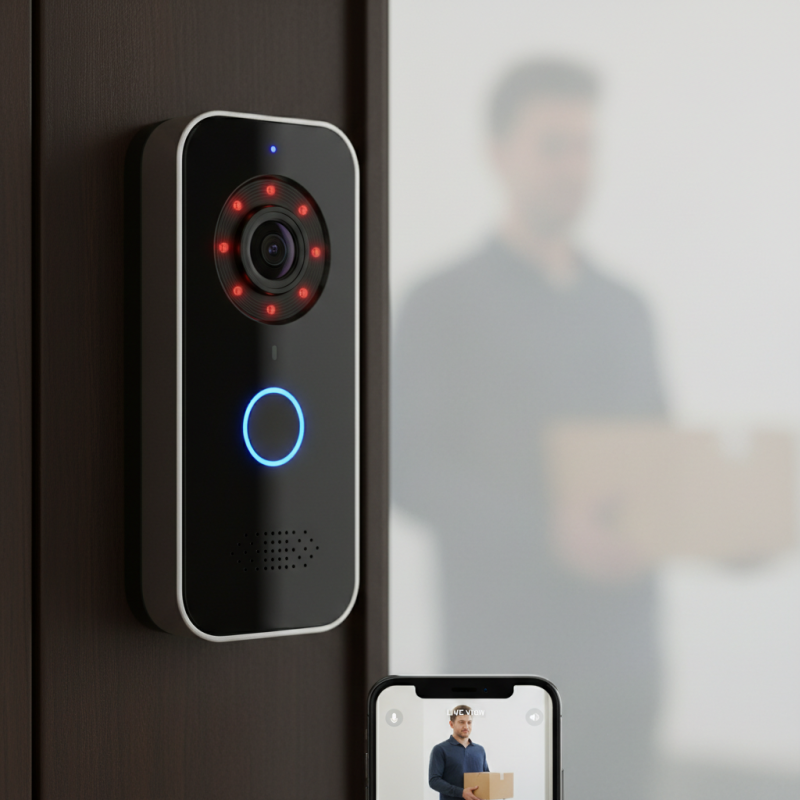
Key Features of WiFi Doorbells: A 2026 Overview
WiFi doorbells have evolved significantly in recent years. By 2026, their key features reflect enhanced user needs. Video quality is a major focus. Most devices now offer HD or 4K resolution. A report from ResearchAndMarkets indicates that the global video doorbell market is expected to reach $3.6 billion by 2026, showcasing rising consumer interest.
Motion detection has become smarter too. Many modern doorbells use AI for accurate alerts. This reduces false positives considerably. A study shows that over 70% of users benefit from real-time notifications. However, issues like delayed alerts and connectivity problems persist. These glitches can be frustrating during critical moments.
Audio features are also important. Two-way audio allows homeowners to communicate seamlessly. However, poor audio quality remains a concern for some users. Despite advancements, interference can degrade sound clarity. Many potential buyers need to weigh these factors against their needs. The increase in smart home integration means WiFi doorbells will increasingly interact with other devices. Understanding these features can greatly influence your buying decision.
Understanding Video Resolution and Image Quality in Smart Doorbells
When considering a smart doorbell, video resolution and image quality are pivotal. Reports show that more than 70% of consumers prioritize video clarity. This is crucial for identifying visitors. Most models offer 1080p resolution, ensuring clear imagery. However, some still fall short of this standard.
The quality of night vision is equally important. Many doorbells struggle under low light, impacting security. A study noted that 60% of incidents occur at night. Users miss critical details due to poor night vision. It's essential to choose models with infrared capabilities for clearer night footage.
Moreover, field of view affects how much you capture. Wider angles reduce blind spots but may distort images. This can lead to misidentification of visitors. Some reports indicate the ideal range is between 140 to 180 degrees. Balancing resolution, night vision, and field of view requires careful consideration. Buyers need to reflect on what features matter most in daily use.
2026 Best Wifi Doorbell Features Buyers Need to Know
| Feature | Description | Importance Level |
| Video Resolution | Levels of clarity in the video feed ranging from 720p to 4K resolution. | High |
| Night Vision | Ability to capture clear video in low light or darkness. | High |
| Field of View | The angle of the captured image, typically ranging from 130 to 180 degrees. | Medium |
| Two-Way Audio | Allows communication between the doorbell and mobile device users. | High |
| Storage Options | Local storage via SD cards or cloud storage subscriptions. | Medium |
| Motion Detection | Sensors that alert users to movement at their front door. | High |
| Weather Resistance | Durability against elements like rain, snow, and heat. | Medium |
| Integration with Smart Home Systems | Compatibility with devices such as smart locks and video systems. | Medium |
The Importance of Two-Way Audio in Modern Doorbell Cameras
Two-way audio is a crucial feature in modern doorbell cameras. This technology allows homeowners to communicate directly with visitors from their smartphones or tablets. Imagine standing in your kitchen and being able to greet a delivery person at your door without leaving your home. It enhances security and convenience.
With two-way audio, communication feels more personal. You can ask questions or give instructions in real time. However, there are limitations. Background noise can affect clarity. Sometimes, the audio may lag, which can lead to frustrating experiences.
Additionally, not all users understand the importance of privacy settings. Ensuring that conversations stay secure is vital. Enabling two-way audio might expose your home to vulnerabilities if not managed properly. Thus, users should prioritize secure connections and understand the technology. It's essential to be aware of these factors while enjoying this modern convenience.
Comparing Battery Life and Wired Options for WiFi Doorbells
When selecting a WiFi doorbell, battery life and wired options are critical considerations. Battery-operated models offer flexibility in installation, allowing you to choose locations without constraints. However, they require regular charging or battery replacement. On the other hand, wired options provide a consistent power source, ensuring 24/7 functionality. This is ideal for those who prefer a set-and-forget solution.
Battery life can vary significantly between models, often influenced by usage frequency and climate. Some doorbells claim to last several months, but real-world performance may fall short. Factors like motion detection sensitivity can drain batteries quicker than expected. Wired doorbells, while reliable, might limit your placement choices. Yet, for homeowners prioritizing uninterrupted service, they'll likely prove to be the superior choice.
Evaluating features like video resolution and night vision alongside power options is vital. High-quality video can enhance security, but it may require more energy. This balance is essential to ensure your doorbell meets your needs without compromising battery life. Both options hold unique advantages and drawbacks. Ultimately, understanding these choices can help you select the right doorbell for your home’s security.
Integration with Smart Home Systems: Compatibility and Benefits
The integration of WiFi doorbells with smart home systems is transforming how we manage home security. Recent industry reports highlight that 53% of smart home users prioritize compatibility with existing systems. This trend demonstrates a growing expectation for seamless integration among devices.
Smart doorbells can link with other smart devices, such as cameras and alarms, enhancing their functionality. For instance, when the doorbell rings, your security camera may automatically activate. This synergy creates an effective security network. However, not all doorbells work with every system. Users often face challenges when attempting to integrate multiple products.
Moreover, benefits extend beyond security. Smart doorbells can assist in energy management by connecting with smart lighting. This feature is appealing; users could set their porch lights to activate when someone approaches the door. Yet, the effectiveness of these features depends on the compatibility of devices. Reports suggest that over 30% of smart device users experience issues with device integration. This statistic highlights the need for consumers to conduct thorough research before purchasing a WiFi doorbell.