2026 Best Band Sealer Machine for Global Buyers?
Choosing the right Band Sealer in 2026 takes more than comparing price tags or advertised speed. Global buyers need to match the machine to the actual package, production setting, and support available after delivery. A sealer that performs well on a dry pouch may struggle with dusty, uneven, or thicker materials. Small details matter. Film type, bag width, product residue near the seal, and daily operating hours can all affect results.
This guide compares practical features, including adjustable temperature, conveyor capacity, sealing consistency, and control simplicity. It also considers power compatibility, spare-part access, operator training, and the clarity of the manufacturer’s technical documentation. Ask suppliers for test runs using your own packaging material, where possible. Inspect the finished seals, not just the machine’s demonstration video. A neat brochure is not proof. Buyers should also confirm warranty terms and realistic delivery timelines in writing. These checks help prevent avoidable delays, especially when equipment must fit an existing packing line.
There is no single best model for every business. A compact tabletop unit may suit short runs, while continuous production can call for a sturdier conveyor design. The trade-off is real: higher output may bring more setup and maintenance demands. And specifications can be incomplete. Compare verified details with your own requirements, then leave room for a little uncertainty before making a purchase decision.
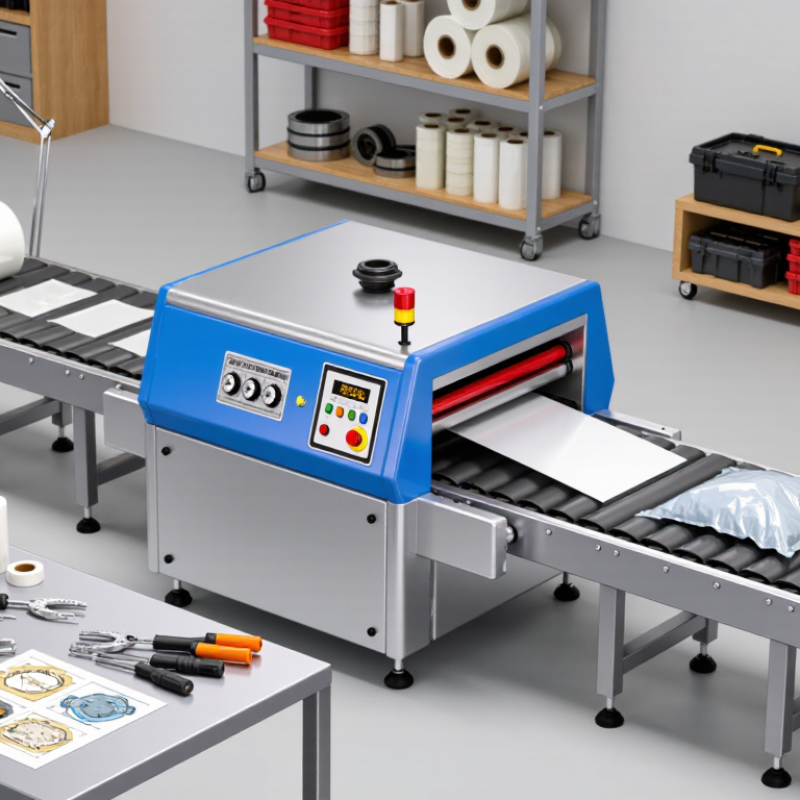
Band Sealer Fundamentals: Continuous Heat Sealing of Flexible Packaging
A band sealer closes flexible packages by moving them between heated sealing elements, rather than stopping for each seal. The film’s edges meet under controlled heat and pressure, then pass through a cooling section that helps set the seam. This suits steady production of pouches and bags. Small details matter. Film thickness, sealant layer, line speed, and temperature all affect seal quality. Too much heat can wrinkle or burn film; too little can leave a weak seam. A clean, even seal is not guaranteed by machine speed alone.
The Flexible Packaging Association’s 2024 State of the U.S. Flexible Packaging Industry estimated U.S. industry sales at $42.9 billion in 2023, representing about 21% of the U.S. packaging market. That scale helps explain why repeatable sealing matters, but the figure does not predict the right machine for every plant. Buyers should test their actual film and filled package, then check seal strength, appearance, and leak performance across a production run. A practical review may also expose a mismatch between the machine’s stated speed and the operator’s real workflow. One caution: a tidy sample seal can mislead. Test varied settings, and document the results before choosing equipment.
Machine Types and Configurations: Horizontal, Vertical, and Print-Integrated Models
Horizontal band sealers suit products that can lie flat on a conveyor, such as pouches of dry food, hardware, or household goods. The bag travels between heated belts, where controlled pressure forms a continuous seal. Check the conveyor height and sealing width against the actual package, not just the product brochure. A few centimeters can matter.
Vertical models hold bags upright during sealing. They can help with liquids, powders, or bulky contents that might spill or settle unevenly when laid flat. Operators should check bag stability and the distance between the product fill and seal area. A tilted pouch can still cause trouble. The machine cannot fix poor filling practice.
Print-integrated models add date, batch, or other variable information during the sealing process. Confirm that the print position stays readable on the chosen film and that changing codes does not slow the line. Ask suppliers for trials using your own bags, because film thickness and surface finish affect both sealing and printing. This part is easy to underestimate. The best configuration depends on package shape, line speed, and operator workflow; a faster machine may not be the better fit if adjustments are difficult.
Typical Specifications: 0–12 m/min Speed and 0–300°C Temperature Range
A band sealer advertised with a 0–12 m/min speed range and a 0–300°C temperature range offers room for different packaging tasks. These figures describe adjustment limits, not a recommended setting for every pouch. Zero speed means the conveyor is stopped; zero heat will not form a heat seal. The useful operating window depends on the film structure, thickness, and seal area.
A practical setup starts with the packaging material, not the machine’s maximum numbers. For a thin pouch, begin at a lower temperature and moderate belt speed. Run a short sample, then inspect the seal for wrinkles, gaps, or scorching. Small changes matter. A temperature display may show the heater setting, while the sealing surface takes time to stabilize. Allow warm-up, and check the result again after adjustments.
The 12 m/min upper speed can help with steady, high-volume packing, but faster is not always better. If the pouch travels too quickly, heat may not transfer evenly across the seal. If it moves too slowly, the film can distort. Record settings alongside the film type and pouch thickness so operators can repeat a workable setup. One detail is easy to overlook: ambient conditions and film batches can shift results, so a successful test should not be treated as permanent proof.
Seal Validation: ASTM F88/F88M Testing and ISO 11607 Packaging Requirements
2026 Best Band Sealer Machine for Global Buyers?
Seal Validation: ASTM F88/F88M Testing and ISO 11607 Packaging Requirements
A band sealer’s temperature display does not prove a reliable seal. ASTM F88/F88M-23 measures the force needed to separate flexible packaging seals. Record specimen width, test speed, grip configuration, and results. These details make results comparable. Small details matter. A 25 mm strip is commonly used, but teams should document their chosen width and follow the applicable test method. F88/F88M describes three tail-support techniques; changing the setup can affect measured force. Report averages and variation, not just one strong sample.
For sterile medical-device packaging, ISO 11607-1:2019 addresses materials and sterile barrier systems. ISO 11607-2:2019 covers validation of forming, sealing, and assembly processes, commonly structured as IQ, OQ, and PQ. In practice, test seals from production runs and challenge settings such as line speed, temperature, and pressure. Include startup samples and seals taken after the line stabilizes. A sealer can perform well at one setting and poorly at another. Do not assume one universal F88 strength threshold: acceptance criteria should reflect the package design, intended use, and validated process. Keep test records linked to machine settings, lot details, and any adjustments. The paperwork can feel tedious, but without it, a passing result is hard to reproduce.
Global Buyer Checklist: Electrical Standards, Compliance, Service, and Total Cost
Before buying a band sealer, match its nameplate to the destination site: voltage, frequency, phase, plug, and grounding. A 230-volt, single-phase machine may not suit a three-phase production line. Ask for the wiring diagram and conformity documents, then have a qualified local technician review them. IEC 60204-1 covers electrical equipment of machinery, but destination-market requirements can differ. The IEA’s Electricity 2024 report projects global electricity demand to grow by about 3.4% annually through 2026. That makes heater power and standby consumption worth checking against local tariffs.
Service can decide whether a low-priced machine stays economical. Ask how quickly heaters, belts, and temperature sensors can ship, and whether manuals and troubleshooting support are available in your working language. Compare the five-year cost, not only the invoice: energy, spare parts, freight, maintenance, and downtime all count. A delayed sensor can stop a packing line. Small detail. It is easy to overlook.
Tips: Request a written specification for your site voltage and sealing speed. Test the machine with your actual bag material and filled packages before acceptance. Keep the agreed spare-parts list in the purchase file; even a good checklist cannot predict every breakdown.
2026 Best Band Sealer Machine for Global Buyers?
Global Buyer Checklist: Electrical Standards, Compliance, Service, and Total Cost
Typical nominal mains frequency in selected markets: many European markets, China, India, and eastern Japan use 50 Hz; the United States and western Japan use 60 Hz. Japan uses both frequencies, depending on location. Before ordering, confirm the machine’s voltage, frequency, plug, and phase match the installation site. Also check applicable local conformity requirements, available service support, spare-parts lead times, and total cost of ownership.