2026 Best Ball Valve Buyer Guide for Global Procurement?
When it comes to procurement, understanding the nuances of the Ball Valve industry is essential. Experts like John Smith, a leading authority in the field, emphasize, "Choosing the right Ball Valve can make or break a project." This statement highlights the significance of selecting high-quality valves for optimal performance in various applications.
Ball Valves are pivotal in controlling fluid flow. Their design ensures minimal pressure drop and robust sealing capabilities. As we navigate the global market, factors such as material selection and manufacturing standards come into play. Different industries require specific features that align with their operational demands. Understanding these requirements enhances procurement strategies.
Despite the advancements in Ball Valve technology, challenges remain. Some manufacturers may compromise quality for cost efficiency, leading to potential failures. Balancing cost and quality is an ongoing struggle for buyers. Looking ahead, the landscape will continue to evolve, making informed decision-making crucial for successful procurement in the Ball Valve market.
Understanding Ball Valves: Types and Functions
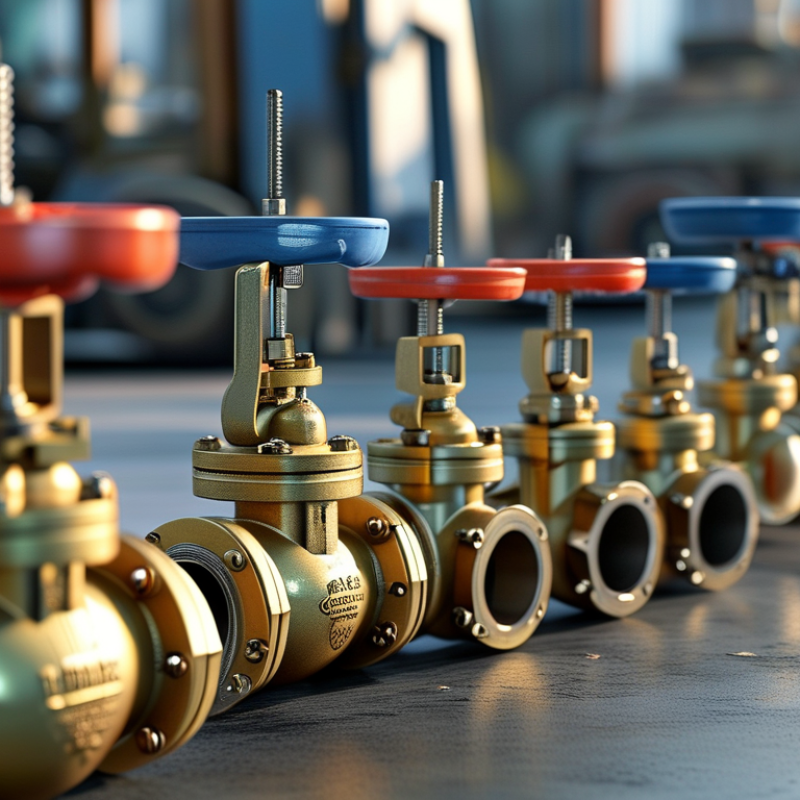
Ball valves play a crucial role in various industrial applications. They offer reliable flow control due to their simple yet effective design. Understanding the types and functions of ball valves is essential for effective procurement.
There are several types of ball valves, including floating and trunnion-mounted designs. Floating ball valves rely on the pressure of the fluid to seat the ball, ensuring a tight seal. In contrast, trunnion-mounted valves feature a fixed ball and use a mechanism to hold the ball in place. This design can handle higher pressures and larger sizes. Choosing the right type depends on the application specifics, such as pressure and temperature conditions.
In addition, ball valves come with different configurations and materials. They can be made from stainless steel, brass, or plastic, offering various advantages. It is important to consider the medium being controlled, as corrosive substances can dictate material choice. Users need to reflect on their specific requirements to ensure long-lasting performance and reliability. Knowing these factors helps avoid making uninformed decisions during procurement.
Ball Valve Types and Their Market Share in 2026
Key Features to Consider When Purchasing Ball Valves
When selecting ball valves for procurement, several key features merit attention. First, the valve's material is crucial. Whether you need stainless steel, brass, or plastic can depend on the application’s pressure and temperature. According to a 2022 report by the International Journal of Industrial Mechanics, wrong material choice can lead to premature failure, wasting time and resources.
Another factor is the valve's sealing mechanism. A reliable seal is essential for preventing leaks. The American Society of Mechanical Engineers emphasizes that a typical ball valve with a Teflon seal can handle pressures exceeding 600 psi in many cases. However, improper installation can compromise even the best sealing solutions. It's vital to consider the operating environment. Factors like corrosive substances or extreme temperatures can affect valve longevity.
Lastly, the size and connection type impact installation and compatibility with existing systems. A report by Global Valve Market Insights revealed that size miscalculations are a common procurement pitfall. Ensuring compatibility requires meticulous planning and thorough understanding. Ball valves, while straightforward, hold nuances requiring careful consideration to ensure optimal performance in diverse applications.
Materials and Specifications for Durable Ball Valves
When selecting ball valves for various applications, materials play a crucial role in ensuring durability and functionality. Commonly used materials include stainless steel, brass, and PVC. Each material offers unique benefits. Stainless steel, for example, excels in high-pressure situations and resists corrosion. It’s essential for industries that deal with harsh chemicals or extreme temperatures. Brass, on the other hand, is often used in residential settings due to its affordability and versatile nature.
Beyond material selection, understanding specifications is vital. Pressure ratings dictate how much stress a valve can withstand. The size and connection type must also align with your system requirements. Misalignment can lead to leaks or system failures. Regular maintenance checks can reveal how material and design choices impact performance. Not all valves meet the same standards, and sometimes certifications or testing are overlooked in the purchasing process.
Potential challenges arise when balancing cost with quality. Lower-priced options may seem attractive but often lack durability. It's crucial to weigh short-term savings against long-term reliability. Focusing on long-lasting materials could save you from frequent replacements and costly downtime. Therefore, investing in quality valves is not merely a choice but a necessity for effective operations.
Global Suppliers: How to Identify Reliable Manufacturers
Identifying reliable manufacturers in the global ball valve market requires a strategic approach. According to a recent industry survey, over 30% of procurement professionals cite supplier reliability as their top concern. This highlights the importance of thorough vetting processes. Look for suppliers with established reputations. Certifications such as ISO 9001 can indicate quality management standards. These certifications often assure buyers of consistent production and service quality.
Tip: Always request references from potential suppliers. Speak to their previous clients about their experience. A manufacturer's financial stability is also crucial. Many manufacturers with strong financials can invest in better materials and technologies. A recent report noted that companies with lower debt levels produce better quality ball valves.
Exploring trade shows and industry exhibitions can also reveal potential suppliers. This platform allows direct assessments of their products and services. However, attending exhibitions requires time and effort. Costs are another concern, as travel and accommodation can add up. Be prepared to evaluate multiple suppliers before making a decision. A well-informed decision can lead to successful long-term partnerships.
Cost Factors in Ball Valve Procurement and Budget Planning
Cost factors in ball valve procurement are critical for any organization working in industrial applications. According to a recent industry report, the average procurement cost of ball valves can vary significantly based on material, size, and pressure rating. For example, stainless steel valves may cost 20-30% more than their carbon steel counterparts. This variation requires buyers to thoroughly assess their specific needs to stay within budget.
Another important aspect in budgeting is the long-term operational costs associated with ball valves. Maintenance and replacement costs can dramatically affect overall expenses. A study indicates that poorly maintained valves can lead to increased energy use, driving costs up by approximately 15%. Therefore, it's essential to weigh initial purchase costs against potential savings from durable and efficient products.
Lastly, market fluctuations also play a pivotal role in pricing strategies. The demand-supply balance in the valve manufacturing sector can cause prices to spike. Recent disruptions have taught buyers to stay informed about market trends. This knowledge allows for more strategic planning. Implementing a flexible budget can prepare companies for sudden changes in the procurement landscape.